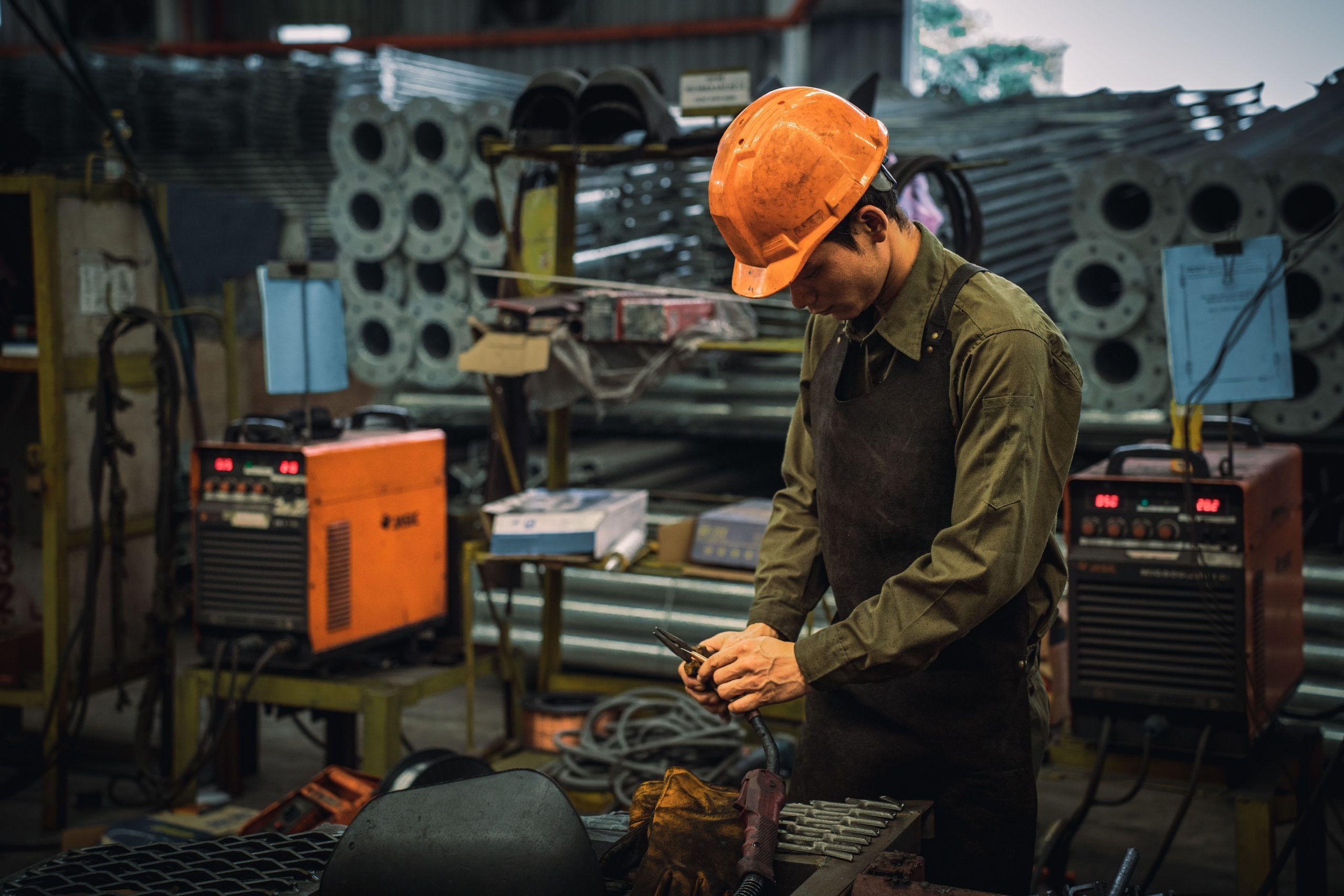
Factory jobs abroad continue to rank among the easiest pathways for international workers seeking stable employment and better pay. As manufacturing industries expand and labor shortages persist across several countries, thousands of companies are opening their doors to qualified foreign workers.
For many people, these jobs offer something more valuable than just a paycheck. They provide an opportunity to build a career, gain international work experience, save money, and even qualify for permanent residency in some countries.
The demand is expected to remain strong throughout 2026 and 2027. Aging populations, growing consumer demand, and increasing industrial production have forced many employers to recruit workers from overseas. Whether you’re experienced in manufacturing or searching for your first overseas job, factory work can be an excellent starting point.
But there’s a catch.
Not every online advertisement promising factory jobs abroad is genuine. Every year, thousands of hopeful applicants lose money to fake recruiters and fraudulent agencies. Knowing where to search and how legitimate hiring works can save you time, money, and disappointment.
This guide explains everything you need to know before applying for factory jobs abroad in 2026/2027.
Why Factory Jobs Abroad Are in High Demand in 2026/2027
Manufacturing remains one of the world’s largest employers. From food production and automobile assembly to electronics, pharmaceuticals, and packaging, factories are operating around the clock to meet global demand.
Several factors are driving international recruitment.
Labor shortages
Many developed countries are experiencing declining birth rates and aging populations. As older workers retire, employers struggle to fill production positions locally.
Rather than slowing production, companies are expanding international recruitment programs.
Growth in manufacturing
Manufacturing has become increasingly automated, but human workers remain essential for operating machinery, monitoring production lines, quality inspections, packaging, maintenance, and warehouse operations.
Even highly automated factories still depend on trained employees to keep production running efficiently.
Increased exports
Countries with strong export industries require consistent production throughout the year. Food processing plants, electronics manufacturers, furniture companies, and automotive factories often increase hiring during busy production seasons.
Expansion of global supply chains
Companies continue to diversify production across multiple countries, creating thousands of new manufacturing jobs each year.
Who Can Apply for Factory Jobs Abroad?
One of the reasons factory jobs remain popular is their accessibility.
Unlike highly specialized professions, many manufacturing positions do not require university degrees.
Applicants commonly include:
- High school graduates
- Technical college graduates
- Skilled machine operators
- Warehouse workers
- Packers
- Production assistants
- Forklift operators
- Electricians
- Welders
- Maintenance technicians
- Mechanical workers
- Food production workers
Previous factory experience is helpful but isn’t always required.
Many employers provide on-the-job training for entry-level workers.
Industries Hiring Factory Workers
Factory employment covers a surprisingly wide range of industries.
Food Processing
Food factories produce everything from frozen meals to dairy products, beverages, meat products, baked goods, and packaged snacks.
Workers may perform:
- Sorting
- Packaging
- Machine operation
- Labeling
- Quality checks
- Cleaning production equipment
Automotive Manufacturing
Car manufacturers constantly recruit workers for assembly plants.
Common roles include:
- Assembly line worker
- Parts installer
- Machine operator
- Paint preparation
- Inspection technician
- Material handler
Automotive factories often provide some of the highest-paying manufacturing jobs.
Electronics Manufacturing
Electronics factories manufacture:
- Mobile phones
- Computers
- Semiconductors
- Home appliances
- Circuit boards
- Medical equipment
Workers need good attention to detail because products often involve small components.
Pharmaceutical Manufacturing
The pharmaceutical industry continues expanding worldwide.
Workers may assist with:
- Packaging medicines
- Label verification
- Machine monitoring
- Sterile production environments
- Inventory control
These positions usually require strict adherence to safety procedures.
Consumer Goods Manufacturing
Factories producing household products hire workers for:
- Packaging
- Assembly
- Machine operation
- Warehouse support
- Shipping preparation
Consumer demand keeps these factories operating throughout the year.
Skills Employers Look For
Even entry-level factory jobs require certain qualities.
Successful candidates usually demonstrate:
Reliability
Employers value workers who arrive on time and maintain consistent attendance.
Physical fitness
Many factory roles involve standing for extended periods, lifting materials, or repetitive movement.
Teamwork
Production depends on cooperation between workers across multiple departments.
Attention to detail
Small mistakes can affect product quality and production efficiency.
Willingness to learn
Factories regularly introduce new equipment and production methods.
Workers who adapt quickly often receive promotions faster.
Working Conditions
Factory environments vary depending on the industry.
Typical working conditions include:
- Day shifts
- Evening shifts
- Night shifts
- Rotating schedules
- Weekend work
- Overtime opportunities
Most facilities maintain strict workplace safety standards.
Employees usually receive:
- Safety uniforms
- Protective footwear
- Gloves
- Helmets
- Eye protection
- Safety training
Following workplace procedures is essential for maintaining a safe working environment.
Average Salaries for Factory Jobs Abroad
Earnings vary depending on the country, industry, experience level, and overtime availability.
Here’s a general comparison:
| Country | Estimated Monthly Salary |
|---|---|
| Canada | $2,800–$4,500 |
| Australia | $3,500–$5,500 |
| Germany | €2,300–€3,800 |
| Netherlands | €2,200–€3,600 |
| Poland | €1,200–€2,200 |
| Japan | ¥220,000–¥350,000 |
| South Korea | ₩2.2–3.8 million |
| United Kingdom | £2,000–£3,400 |
Many workers substantially increase their income through overtime, weekend shifts, and holiday pay.
Why Employers Sponsor Foreign Workers
Visa sponsorship allows companies to recruit workers from outside their country when qualified local candidates are unavailable.
Employers choose international workers because they often need to fill positions quickly to maintain production targets.
Sponsored workers typically receive legal authorization to work, and in many cases, employers assist with immigration paperwork, relocation, or settlement support.
Understanding how sponsorship works and applying only through legitimate channels can greatly improve your chances of securing a genuine opportunity.
Best Countries Offering Factory Jobs Abroad in 2026/2027
If you’re planning to work overseas, choosing the right destination can make a significant difference in your earnings, career growth, and overall quality of life. While factory jobs exist in many parts of the world, a handful of countries consistently recruit foreign workers because of labor shortages and expanding manufacturing industries.
Let’s take a closer look at the top destinations.
Canada
Canada remains one of the most attractive countries for foreign workers. Manufacturing is a major contributor to the country’s economy, with factories producing food products, automotive parts, construction materials, pharmaceuticals, plastics, and consumer goods.
Many employers struggle to recruit enough local workers, especially in smaller provinces. As a result, they often participate in government-approved hiring programs that allow them to employ qualified international candidates.
Common Factory Jobs in Canada
- Production Worker
- Packaging Operator
- Food Processing Worker
- Warehouse Associate
- Machine Operator
- Assembly Line Worker
- Forklift Operator
- Industrial Cleaner
Average Salary
Most factory employees earn between CAD $18 and CAD $32 per hour depending on experience, province, and employer.
Overtime is common and is usually paid at a higher hourly rate.
Why Canada Is Popular
- Competitive wages
- Safe working conditions
- Strong labor laws
- Paid vacation
- Health benefits
- Opportunities to transition to permanent residency
Germany
Germany is Europe’s manufacturing powerhouse. Its world-famous automotive, engineering, electronics, and machinery industries require a steady workforce to keep production moving.
With an aging population and increasing labor shortages, many employers now recruit internationally.
Popular Manufacturing Industries
- Automobile Assembly
- Mechanical Engineering
- Electronics
- Food Manufacturing
- Chemical Production
- Industrial Equipment
Average Salary
Factory workers generally earn between €2,300 and €3,800 per month before taxes.
Workers with technical skills such as welding, machine maintenance, or CNC operation can earn considerably more.
Benefits
Many employers offer:
- Paid holidays
- Pension contributions
- Health insurance
- Overtime pay
- Paid training
- Long-term employment contracts
Australia
Australia’s manufacturing sector may be smaller than Canada’s or Germany’s, but demand for production workers remains strong in food processing, mining equipment manufacturing, packaging, and construction materials.
Regional employers often experience labor shortages and recruit overseas workers when local recruitment proves difficult.
Popular Roles
- Factory Hand
- Machine Operator
- Food Processing Worker
- Production Assistant
- Packaging Worker
- Warehouse Staff
Average Salary
Hourly wages typically range from AUD $28 to AUD $40.
Weekend shifts, night work, and overtime can significantly increase earnings.
United Kingdom
Despite economic changes in recent years, manufacturing continues to employ hundreds of thousands of workers across the UK.
Factories involved in food production, beverages, pharmaceuticals, automotive parts, and packaging frequently recruit international employees.
In-Demand Positions
- Food Production Operative
- Packaging Assistant
- Assembly Worker
- Machine Operator
- Warehouse Picker
- Production Technician
Salary Expectations
Workers commonly earn between £24,000 and £40,000 annually, depending on experience and location.
Netherlands
The Netherlands has built a strong reputation for logistics, food processing, electronics, agriculture, and advanced manufacturing.
Many employers work with international recruitment agencies that specialize in hiring foreign workers.
Advantages
- Modern workplaces
- Reliable public transportation
- Competitive salaries
- High workplace safety standards
- Regular overtime opportunities
Many employers also provide accommodation for international workers, making relocation easier.
Poland
Poland has become one of Europe’s fastest-growing manufacturing hubs.
Factories producing furniture, automotive components, electronics, household appliances, and packaged foods continue expanding every year.
Because production has grown rapidly, employers increasingly hire workers from abroad.
Common Jobs
- Production Operator
- Packaging Worker
- Warehouse Assistant
- Machine Operator
- Quality Inspector
Although salaries are generally lower than those in Western Europe, living costs are also more affordable.
Japan
Japan faces one of the world’s most serious labor shortages due to its aging population.
The government has expanded work visa programs that allow employers to recruit foreign workers for manufacturing positions.
Factory Industries
- Automobile Manufacturing
- Electronics
- Precision Engineering
- Food Production
- Plastic Manufacturing
Many employers provide:
- Company housing
- Transportation support
- Health insurance
- Paid leave
- Skills training
Basic Japanese language skills can improve employment prospects, though some companies hire workers with little or no Japanese experience.
South Korea
South Korea has a highly developed manufacturing sector that exports electronics, vehicles, machinery, and industrial equipment worldwide.
Many factories hire foreign workers through official employment programs.
Typical Jobs
- Electronics Assembly
- Machine Operation
- Plastic Manufacturing
- Welding
- Metal Fabrication
- Packaging
Workers often receive accommodation assistance and subsidized meals.
Types of Factory Jobs Available Abroad
Not every factory job involves standing on an assembly line all day. Manufacturing facilities require workers with different skill levels and responsibilities.
Assembly Line Worker
Assembly workers help build products step by step.
Responsibilities often include:
- Installing components
- Checking product quality
- Following production schedules
- Operating simple equipment
This is one of the most common entry-level positions.
Machine Operator
Machine operators oversee automated production equipment.
Their duties include:
- Starting production lines
- Monitoring equipment
- Adjusting machine settings
- Reporting mechanical issues
- Maintaining production quality
Previous experience is helpful but many employers provide training.
Packaging Worker
Packaging employees prepare finished products for shipment.
Typical responsibilities include:
- Boxing products
- Labeling packages
- Inspecting finished goods
- Sealing cartons
- Preparing pallets
This role usually requires attention to detail rather than technical skills.
Forklift Operator
Forklift operators move raw materials and finished products throughout warehouses and production facilities.
Many employers require:
- Previous experience
- Forklift certification (or willingness to obtain one)
- Good safety awareness
Forklift operators generally earn more than entry-level production workers.
Quality Control Inspector
Quality inspectors ensure products meet company standards before shipping.
They may:
- Measure products
- Test samples
- Identify defects
- Record inspection results
- Recommend corrective actions
These positions suit individuals who are detail-oriented and comfortable following procedures.
Maintenance Technician
Factories rely on maintenance teams to keep equipment running efficiently.
Responsibilities often include:
- Repairing machinery
- Preventive maintenance
- Troubleshooting breakdowns
- Replacing worn components
This role usually requires technical qualifications or previous industrial experience.
Visa Sponsorship for Factory Jobs Abroad
One of the first questions most job seekers ask is whether factory employers actually sponsor foreign workers. The answer is yes but not every company does.
Visa sponsorship means an employer is willing to hire a qualified international worker and support the legal process required for that person to work in the country. Depending on the destination, this may involve obtaining government approval, issuing a job offer, or providing documents needed for a work visa application.
It’s worth remembering that sponsorship is based on an employer’s labor needs and the country’s immigration rules. Receiving a job offer does not automatically guarantee a visa, but it is often the first and most important step.
What Sponsored Jobs May Include
Depending on the employer, a sponsorship package may include:
- Work visa support
- Relocation assistance
- Airport pickup
- Temporary accommodation
- Paid orientation or training
- Health insurance
- Uniforms and safety equipment
- Ongoing employment support
Always read the job description carefully to understand exactly what is being offered.
Basic Requirements for Factory Jobs Abroad
Requirements vary by employer and country, but most applicants should expect to meet the following criteria.
Minimum Age
Most countries require applicants to be at least 18 years old.
Education
Many entry-level factory jobs require only a secondary school or high school qualification. Skilled technical positions may require vocational training or trade certifications.
Language Skills
Basic communication skills in English are often enough for jobs in countries such as Canada, Australia, and the United Kingdom.
For countries like Germany, Japan, or South Korea, employers may provide language training or ask for basic knowledge of the local language, depending on the role.
Medical Examination
Many work visa programs require applicants to complete a medical examination to confirm they are fit for employment.
Police Clearance
A clean criminal record is often required during the visa application process.
Relevant Experience
While many positions are entry-level, previous experience in manufacturing, warehousing, logistics, or machine operation can improve your chances of being hired.
How to Apply for Factory Jobs Abroad
Finding a legitimate overseas job takes patience and preparation. Following a structured approach can improve your chances of success.
Step 1: Prepare a Professional CV
Your CV should clearly highlight:
- Work experience
- Technical skills
- Certifications
- Education
- Language abilities
- Contact information
Keep it concise, accurate, and tailored to the position you’re applying for.
Step 2: Gather Supporting Documents
You may need:
- Valid passport
- Educational certificates
- Employment references
- Professional licenses (if applicable)
- Passport-sized photographs
- Updated CV
Having these documents ready allows you to respond quickly when opportunities arise.
Step 3: Apply Through Trusted Sources
Use official government job portals, reputable recruitment agencies, and employer career websites.
Be cautious of social media posts or unofficial messaging groups promising guaranteed jobs.
Step 4: Prepare for Interviews
Many employers conduct interviews online.
Be ready to discuss:
- Previous work experience
- Availability
- Willingness to relocate
- Shift flexibility
- Workplace safety awareness
A calm, honest, and professional approach often makes a strong impression.
Tips to Increase Your Chances of Getting Hired
Competition for overseas jobs can be high, but there are practical ways to stand out.
Learn New Skills
Short courses in areas such as:
- Forklift operation
- Welding
- Electrical maintenance
- CNC machining
- Quality control
- Industrial safety
can strengthen your application.
Improve Your Language Skills
Even basic proficiency in English or the destination country’s language can make communication easier and increase your employability.
Apply Consistently
Don’t rely on a single application. Apply for multiple suitable vacancies while ensuring each application is tailored to the specific role.
Stay Organized
Keep track of:
- Application dates
- Employer names
- Interview schedules
- Required documents
- Follow-up emails
Organization helps you avoid missed opportunities.
Common Factory Job Scams to Avoid
Unfortunately, overseas job scams are common. Fraudsters often target people eager to work abroad by making unrealistic promises.
Watch for these warning signs:
Requests for Large Upfront Payments
Legitimate employers generally do not ask candidates to pay large recruitment or visa fees before a job offer is issued.
Guaranteed Visa Promises
No recruiter can guarantee visa approval. Immigration decisions are made by government authorities.
Fake Employment Contracts
Scammers sometimes copy genuine company logos and issue convincing-looking documents.
Always verify job offers directly with the employer through their official website.
Unrealistic Salaries
Be cautious of advertisements offering extremely high salaries for basic factory work with little or no experience required.
If an offer seems too good to be true, it deserves extra scrutiny.
Unofficial Communication Channels
Professional employers typically communicate through company email addresses rather than personal messaging accounts.
Frequently Asked Questions
Can I get a factory job abroad without experience?
Yes. Many entry-level positions provide on-the-job training, particularly in food processing, packaging, and assembly.
Do factory jobs require a university degree?
No. Most entry-level manufacturing positions do not require a university education, though technical roles may require specialized training.
Is visa sponsorship guaranteed?
No. Sponsorship depends on the employer’s hiring needs and whether you meet immigration requirements.
Which country pays factory workers the highest salaries?
Countries such as Australia, Canada, Germany, and the Netherlands generally offer higher wages, though living costs should also be considered.
Can factory jobs lead to permanent residency?
In some countries, long-term employment may create pathways to permanent residency, provided applicants meet the relevant immigration requirements.
Are accommodation and meals included?
Some employers provide free or subsidized accommodation and meals, while others offer a housing allowance. Benefits vary by employer.
Final Thoughts
Factory jobs abroad in 2026 and 2027 present real opportunities for individuals seeking stable employment, competitive wages, and valuable international work experience. Whether you’re interested in food production, automotive manufacturing, electronics, or packaging, the global demand for reliable workers continues to create openings across multiple countries.
Success, however, depends on preparation. Build a strong CV, apply through legitimate channels, verify every job offer, and stay informed about the work visa requirements of your chosen destination. Taking the time to research employers and understand the hiring process can help you avoid scams and improve your chances of securing a genuine opportunity.
A factory job abroad can be more than just a source of income, it can be the first step toward long-term career growth, financial stability, and new opportunities in another country.
Official Government and Employer Websites
The following official websites can help you search for legitimate factory jobs, understand work visa requirements, and apply through trusted channels.
Government Job and Immigration Portals
Canada – Immigration, Refugees and Citizenship Canada (IRCC)
United Kingdom – GOV.UK Work Visas
Australia – Workforce Australia
Australia – Department of Home Affairs
Germany – Federal Employment Agency
South Korea – HRD Korea Employment Permit System (EPS)
Poland – Public Employment Services
European Employment Services (EURES)
Major Manufacturing Companies
Always verify vacancies through official employer career pages and government employment portals before submitting your application or sharing personal information.