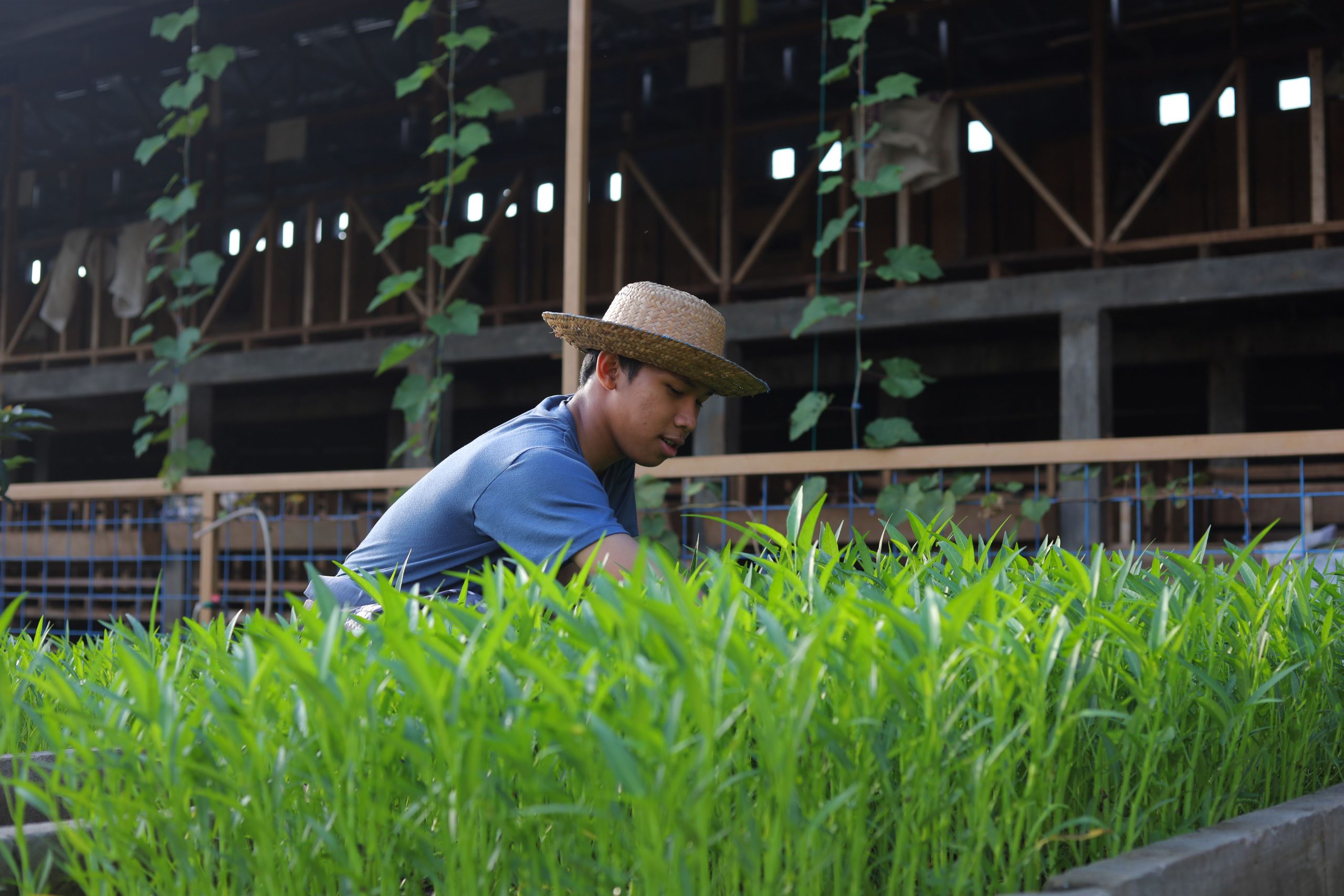
For thousands of people searching for better-paying jobs overseas, farm work remains one of the fastest paths to international employment. While many industries demand university degrees or years of professional experience, agriculture continues to welcome hardworking individuals who are willing to learn, adapt, and contribute.
The demand is expected to remain strong throughout 2026 and 2027 as aging populations, labor shortages, and expanding food production continue to create vacancies across Europe, North America, Australia, and parts of Asia.
Here’s the surprising part.
Many of these jobs don’t require advanced qualifications. In fact, employers are often more interested in reliability, physical fitness, and a willingness to work than academic certificates.
Some employers even provide visa sponsorship, accommodation, transportation assistance, and training after arrival.
If you’ve been wondering whether farm work abroad could be your gateway to building a better future, this guide explains everything you need to know.
Why Farm Worker Jobs Abroad Are in High Demand
Agriculture is one of the world’s oldest industries, yet it faces one of its biggest challenges—finding enough workers.
Several factors are driving international recruitment:
- Aging farming populations
- Fewer young people entering agriculture
- Expansion of commercial farming
- Increased food exports
- Seasonal harvesting demands
- Government-supported labor migration programs
Many developed countries simply cannot meet labor needs using their local workforce alone.
This has opened opportunities for foreign workers from countries around the world.
What Does a Farm Worker Do?
Farm workers perform various agricultural tasks depending on the employer and season.
Typical responsibilities include:
- Planting crops
- Harvesting fruits and vegetables
- Watering crops
- Operating simple farm equipment
- Feeding livestock
- Cleaning animal shelters
- Packaging produce
- Sorting harvested products
- Greenhouse work
- Irrigation maintenance
- Fertilizer application
- General farm maintenance
Some farms specialize in crops while others focus on livestock.
The work varies significantly depending on the country and season.
Types of Farm Worker Jobs Abroad
Fruit Picking Jobs
Fruit farms recruit thousands of temporary workers every harvest season.
Popular crops include:
- Apples
- Strawberries
- Cherries
- Blueberries
- Grapes
- Pears
- Oranges
- Peaches
Vegetable Farm Jobs
Vegetable farms often need workers for:
- Tomato harvesting
- Onion farming
- Potato farming
- Lettuce production
- Pepper cultivation
- Carrot harvesting
- Cucumber farming
Daily Farm Jobs
Daily responsibilities include:
- Milking cows
- Cleaning barns
- Feeding livestock
- Equipment maintenance
- Monitoring animal health
Poultry Farm Jobs
Tasks commonly involve:
- Egg collection
- Feeding chickens
- Cleaning poultry houses
- Sorting eggs
- Packing products
Livestock Farm Jobs
Workers may assist with:
- Sheep farming
- Pig farming
- Goat farming
- Beef cattle operations
Greenhouse Jobs
Greenhouse work is becoming increasingly popular because it offers year-round employment.
Common duties include:
- Plant care
- Seedling preparation
- Harvesting
- Packaging
- Climate monitoring
Best Countries Offering Farm Worker Jobs Abroad 2026/2027
Canada
Canada continues to recruit thousands of agricultural workers every year through seasonal and employer-sponsored programs.
Popular provinces include:
- Ontario
- Alberta
- British Columbia
- Manitoba
- Saskatchewan
Average monthly salary:
CAD 2,800–4,500
Common benefits:
- Visa sponsorship
- Housing assistance
- Overtime pay
- Medical insurance
- Paid holidays (depending on employer)
Australia
Australia’s farming sector regularly experiences labor shortages.
Major farming regions include:
- Queensland
- Victoria
- Western Australia
- New South Wales
Average monthly salary:
AUD 4,000–6,500
Common jobs:
- Fruit picking
- Vineyard work
- Vegetable farming
- Livestock farming
New Zealand
Agriculture remains one of New Zealand’s largest industries.
Hiring peaks during:
- Apple harvest
- Kiwifruit season
- Dairy production
- Vineyard operations
Average monthly salary:
NZD 3,500–5,500
United Kingdom
The UK’s farming industry continues to recruit seasonal agricultural workers through licensed employers.
Popular sectors include:
- Berry farms
- Vegetable farms
- Mushroom production
- Poultry farming
Average monthly salary:
GBP 1,900–3,000
Germany
Germany recruits agricultural workers for:
- Fruit farms
- Vegetable farms
- Dairy operations
- Greenhouse production
Average monthly salary:
EUR 2,000–3,500
Netherlands
The Netherlands offers opportunities in:
- Greenhouse farming
- Flower production
- Vegetable cultivation
- Livestock farming
Average monthly salary:
EUR 2,100–3,600
Ireland
Ireland’s growing dairy and livestock industries frequently recruit international workers.
Average monthly salary:
EUR 2,200–3,700
Average Farm Worker Salaries Abroad
| Country | Estimated Monthly Salary |
|---|---|
| Canada | CAD 2,800–4,500 |
| Australia | AUD 4,000–6,500 |
| New Zealand | NZD 3,500–5,500 |
| UK | GBP 1,900–3,000 |
| Germany | EUR 2,000–3,500 |
| Netherlands | EUR 2,100–3,600 |
| Ireland | EUR 2,200–3,700 |
Actual earnings depend on experience, overtime, employer, region, and seasonal demand.
Do Farm Worker Jobs Come With Visa Sponsorship?
Yes.
Many employers actively sponsor qualified foreign workers when local labor is unavailable.
Visa sponsorship may include:
- Work permit support
- Employment contract
- Immigration paperwork
- Airport pickup
- Accommodation
- Training
- Health insurance
Always verify sponsorship details before accepting an offer.
Requirements for Farm Worker Jobs Abroad
Although requirements differ by country, employers generally expect applicants to have:
- Valid passport
- Good physical health
- Ability to work outdoors
- Basic English skills (or local language where required)
- Clean criminal record
- Medical fitness certificate
- Willingness to relocate
Experience is helpful but not always mandatory.
Skills That Increase Your Chances
Employers value candidates who demonstrate:
- Reliability
- Teamwork
- Time management
- Physical stamina
- Positive attitude
- Flexibility
- Attention to detail
- Ability to follow instructions
Even simple workplace skills can make your application stand out.
How to Apply for Farm Worker Jobs Abroad
The application process typically follows these steps.
Step 1: Prepare Your CV
Highlight:
- Work experience
- Physical labor experience
- Agricultural skills
- Languages spoken
- Driving licence (if applicable)
Step 2: Search for Legitimate Vacancies
Use official government portals, licensed recruiters, and trusted employers.
Avoid social media promises that request payment before employment.
Step 3: Submit Your Application
Most employers request:
- Resume
- Cover letter
- Passport copy
- References
- Certificates (if available)
Step 4: Attend Interviews
Interviews are often conducted online.
Questions usually focus on:
- Availability
- Previous work
- Physical fitness
- Motivation
- Teamwork
Step 5: Receive Job Offer
Successful applicants receive:
- Employment contract
- Salary information
- Working conditions
- Visa instructions
Step 6: Apply for Your Work Visa
Follow the immigration process outlined by the destination country.
Never travel before obtaining the correct work authorization.
Documents You’ll Need
Prepare digital and printed copies of:
- Passport
- Passport photographs
- Updated CV
- Educational certificates
- Employment references
- Medical certificate
- Police clearance (where required)
- Birth certificate
- Driver’s licence (optional)
Benefits of Working on a Farm Abroad
Many workers appreciate the combination of income, experience, and international exposure.
Potential benefits include:
- Competitive wages
- Overtime opportunities
- Free or subsidized accommodation
- Career growth
- International work experience
- Opportunity to save money
- Exposure to new cultures
- Possibility of returning in future seasons
Challenges to Expect
Farm work can also be demanding.
Common challenges include:
- Long working hours during harvest
- Physically intensive tasks
- Working in hot or cold weather
- Early morning schedules
- Rural locations
- Seasonal employment
Knowing what to expect helps you prepare mentally and physically.
Tips for Finding Genuine Farm Worker Jobs
Unfortunately, scammers target people searching for overseas employment.
Protect yourself by following these guidelines:
- Apply through official websites.
- Never pay for a job offer.
- Verify employer registration.
- Read employment contracts carefully.
- Confirm visa requirements through government sources.
- Research recruiter reviews.
- Be cautious of unrealistic salary promises.
If an offer seems too good to be true, investigate further before proceeding.
Frequently Asked Questions
Can I get a farm job abroad without experience?
Yes. Many employers provide on-the-job training for entry-level workers.
Do I need a university degree?
No. Most farm worker positions do not require higher education.
Which country pays farm workers the most?
Australia and Canada often offer some of the highest wages, although earnings vary depending on the role, region, and overtime opportunities.
Is accommodation included?
Many employers provide free or subsidized housing, especially for seasonal workers.
Can farm work lead to permanent residency?
In some countries, certain agricultural jobs may create pathways to longer-term visas or permanent residency, depending on immigration policies and eligibility.
Final Thoughts
Farm worker jobs abroad in 2026 and 2027 continue to offer valuable opportunities for people seeking stable employment, international experience, and a chance to improve their financial future. While the work is physically demanding, it often comes with competitive pay, practical benefits, and the possibility of returning for future seasons or progressing into more specialized agricultural roles.
Success starts with preparation. Build a strong CV, apply through trusted sources, verify every job offer, and ensure you meet the visa requirements of your chosen destination. With patience and persistence, a farm job abroad could be the first step toward a rewarding international career.
Official Websites
Government of Canada – Immigration and Citizenship
Australian Government – Workforce Australia
Australian Department of Home Affairs
United Kingdom Government Jobs